


Meet Jae Mills, the newest addition to the I Love Ugly design team.
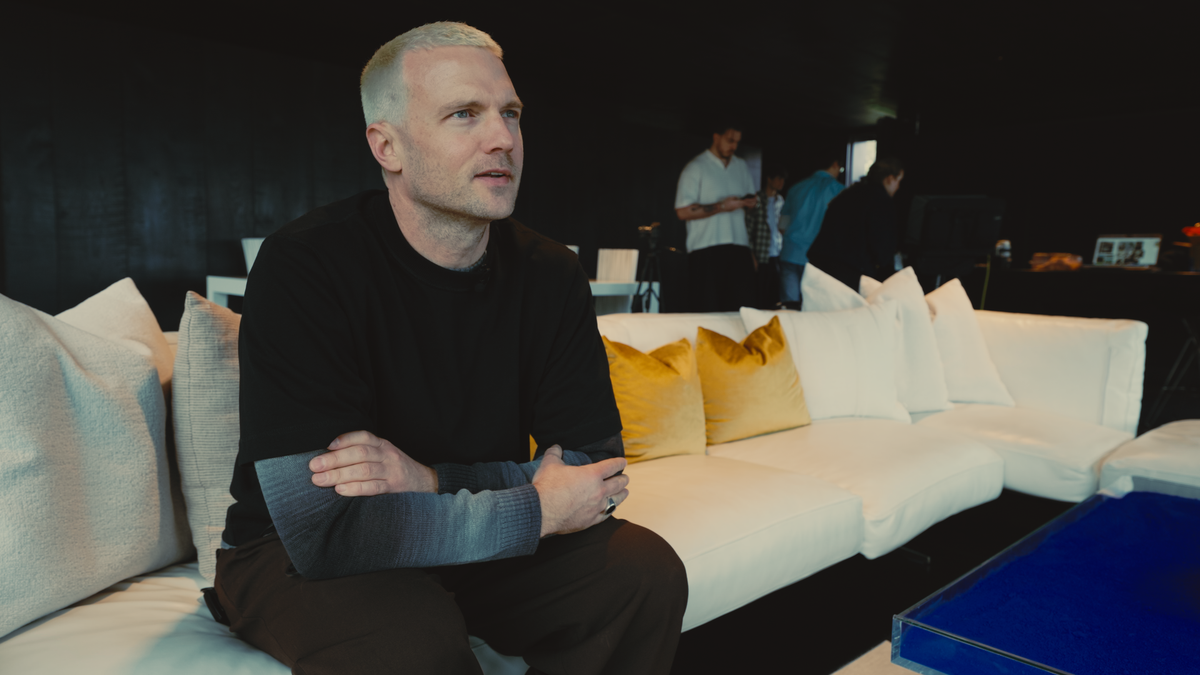
Introducing Jae Mills — Menswear Designer
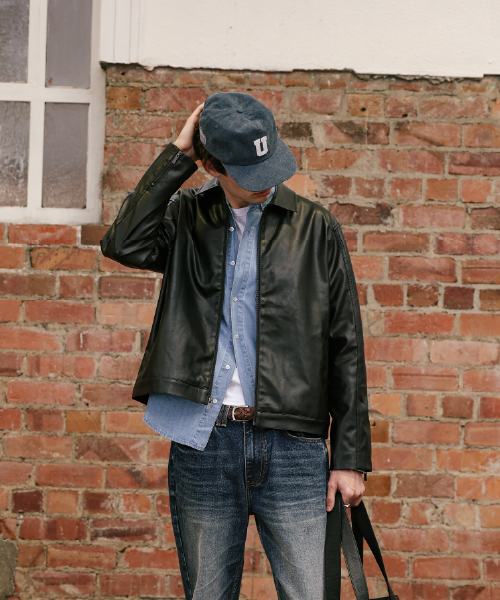
Jae brings a distinct perspective to menswear shaped by minimalism, modern grunge and an appreciation for the details that make a garment feel right.
October ’26 marks the arrival of Jae’s first collection for I Love Ugly, an introduction to Jae’s perspective within the brand's established design language. Minimal and considered, with undertones of modern grunge, the collection begins to explore a subtle shift in tone while remaining distinctly ILU.
For Jae, it’s less about reinventing what already exists and more about understanding it. Working within a brand with close to twenty years of history means knowing when to push, when to refine and, importantly, what makes something unmistakably I Love Ugly.
Ahead of the collection, we sat down with Jae to talk about the experiences that shaped his approach to design, the references he finds beyond fashion, what goes into a garment long after the initial idea, and the philosophy that perhaps best sums up his approach to this next chapter:
Don’t Rush.
Meet Jae Mills, the newest addition to the I Love Ugly design team.
Jae brings a distinct perspective to menswear shaped by minimalism, modern grunge and an appreciation for the details that make a garment feel right.
October ’26 marks the arrival of Jae’s first collection for I Love Ugly, an introduction to Jae’s perspective within the brand's established design language. Minimal and considered, with undertones of modern grunge, the collection begins to explore a subtle shift in tone while remaining distinctly ILU.
For Jae, it’s less about reinventing what already exists and more about understanding it. Working within a brand with close to twenty years of history means knowing when to push, when to refine and, importantly, what makes something unmistakably I Love Ugly.
Ahead of the collection, we sat down with Jae to talk about the experiences that shaped his approach to design, the references he finds beyond fashion, what goes into a garment long after the initial idea, and the philosophy that perhaps best sums up his approach to this next chapter:
Don’t Rush.
What’s your background in fashion, and what originally drew you to the industry?
I’ve worked in fashion essentially my entire career, mostly in New Zealand, with a short stint in the UK. I’ve worked for several well-known New Zealand labels and, in more recent years, ran my own brand.
I grew up in a creative household, with my father working as a high school art teacher and an artist himself, and my mother having a strong passion for crafts. My passion for board sports was the initial jumping-off point that led me into the world of apparel.
How would you describe your design language?
I’m naturally drawn to a simple, minimal aesthetic. Right now, I’m particularly interested in modern grunge, but with a premium execution.
You’ve joined a brand with almost 20 years of history. How do you balance your own aesthetic with an established identity like I Love Ugly?
ILU has almost 20 years of history and, through that, has built a set of design principles that V has shared with me.
I can come back to the question, “What makes this distinctly ILU?” rather than simply asking, “What do I like?”
That distinction is really important. It allows us to work within the established design principles while introducing a tone shift that still feels authentic to the brand.
What do you hope someone feels when they wear something you’ve designed?
Again, coming back to V’s design principles, at the centre is quiet confidence.
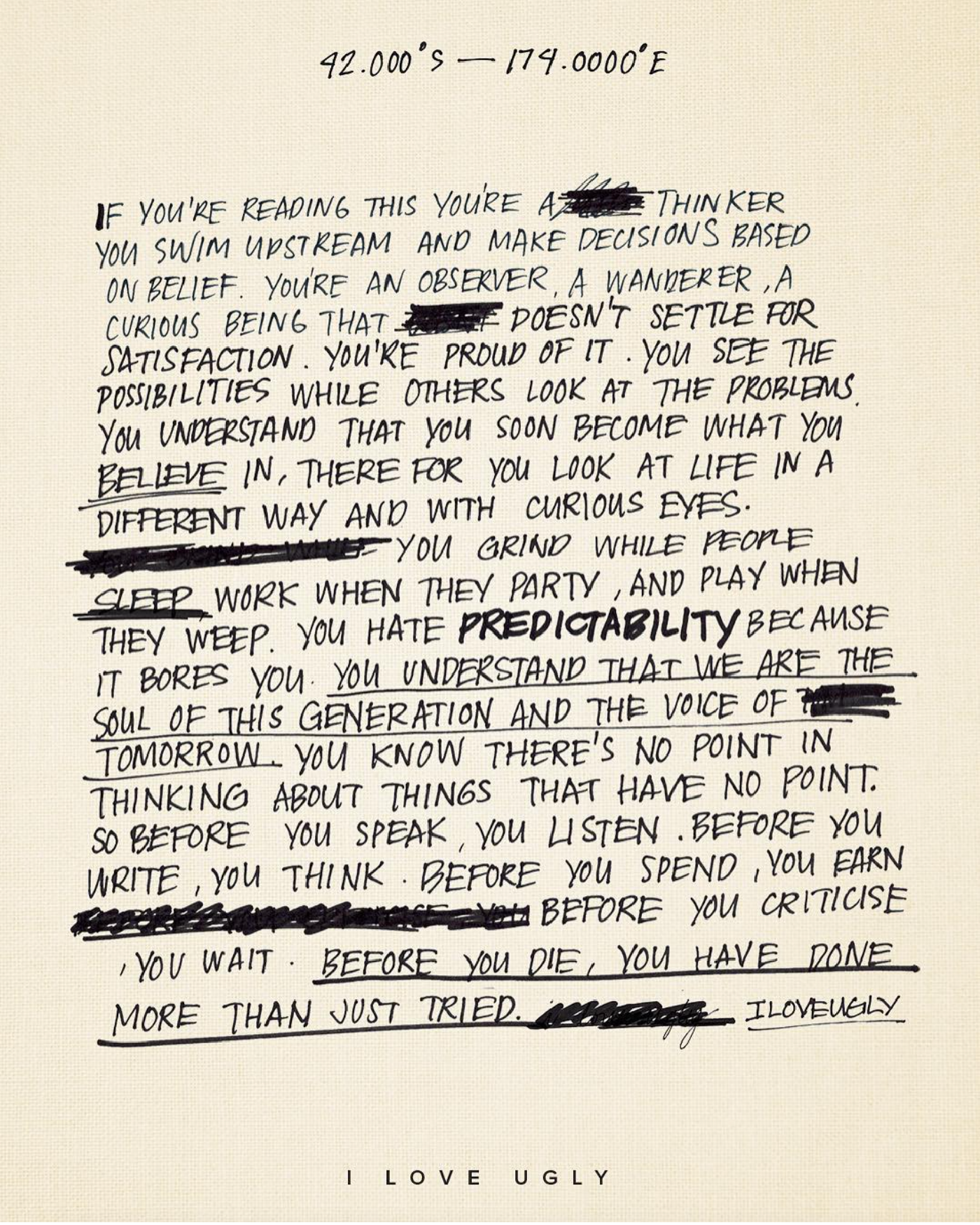
He should feel put-together without looking like he tried, noticed without dressing for attention, and like he’s in on something that only he knows.
What’s your background in fashion, and what originally drew you to the industry?
I’ve worked in fashion essentially my entire career, mostly in New Zealand, with a short stint in the UK. I’ve worked for several well-known New Zealand labels and, in more recent years, ran my own brand.
I grew up in a creative household, with my father working as a high school art teacher and an artist himself, and my mother having a strong passion for crafts. My passion for board sports was the initial jumping-off point that led me into the world of apparel.
How would you describe your design language?
I’m naturally drawn to a simple, minimal aesthetic. Right now, I’m particularly interested in modern grunge, but with a premium execution.
You’ve joined a brand with almost 20 years of history. How do you balance your own aesthetic with an established identity like I Love Ugly?
ILU has almost 20 years of history and, through that, has built a set of design principles that V has shared with me.
I can come back to the question, “What makes this distinctly ILU?” rather than simply asking, “What do I like?”
That distinction is really important. It allows us to work within the established design principles while introducing a tone shift that still feels authentic to the brand.
What do you hope someone feels when they wear something you’ve designed?
Again, coming back to V’s design principles, at the centre is quiet confidence.
He should feel put-together without looking like he tried, noticed without dressing for attention, and like he’s in on something that only he knows.
What influences your work outside of fashion?
I’m influenced by popular culture and consume a lot of music and sport, as well as other areas of design, particularly interior design.
I think looking outside of fashion is important because it keeps the creative reference points broader.
What’s something about the design process that people outside the industry might not realise?
The initial design idea is often the easy part. It’s everything that comes afterwards that really brings a garment to life.
Choosing the right fabric, refining the fit and feel, getting the trims right, and working through all the small details can involve a huge number of decisions and iterations.
That refinement process is often the most challenging — and ultimately what makes the difference between a good idea and a great product.
What fashion trend in 2026 are you currently enjoying — and what could you leave behind?
I’m really enjoying the move towards flannels and plaids going into spring and summer.
I’m less sold on the return of ties, at least for me personally.
If budget and manufacturing weren’t constraints, what would you want to create?
I think I’d explore a footwear collection.
What’s the biggest lesson you’ve learned over the past five years?
Sometimes things in your life have a natural lifespan and come to an end, and that’s just part of the story.
If you could give your younger self one piece of advice?
Don’t rush.
What influences your work outside of fashion?
I’m influenced by popular culture and consume a lot of music and sport, as well as other areas of design, particularly interior design.
I think looking outside of fashion is important because it keeps the creative reference points broader.
What’s something about the design process that people outside the industry might not realise?
The initial design idea is often the easy part. It’s everything that comes afterwards that really brings a garment to life.
Choosing the right fabric, refining the fit and feel, getting the trims right, and working through all the small details can involve a huge number of decisions and iterations.
That refinement process is often the most challenging — and ultimately what makes the difference between a good idea and a great product.
What fashion trend in 2026 are you currently enjoying — and what could you leave behind?
I’m really enjoying the move towards flannels and plaids going into spring and summer.
I’m less sold on the return of ties, at least for me personally.
If budget and manufacturing weren’t constraints, what would you want to create?
I think I’d explore a footwear collection.
What’s the biggest lesson you’ve learned over the past five years?
Sometimes things in your life have a natural lifespan and come to an end, and that’s just part of the story.
If you could give your younger self one piece of advice?
Don’t rush.

Leave a comment
This site is protected by hCaptcha and the hCaptcha Privacy Policy and Terms of Service apply.